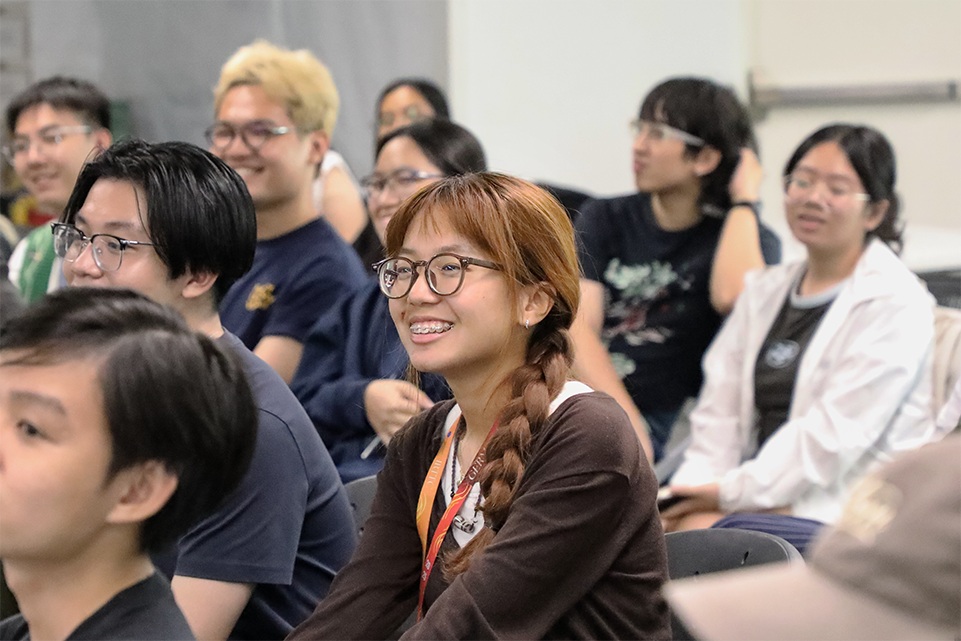
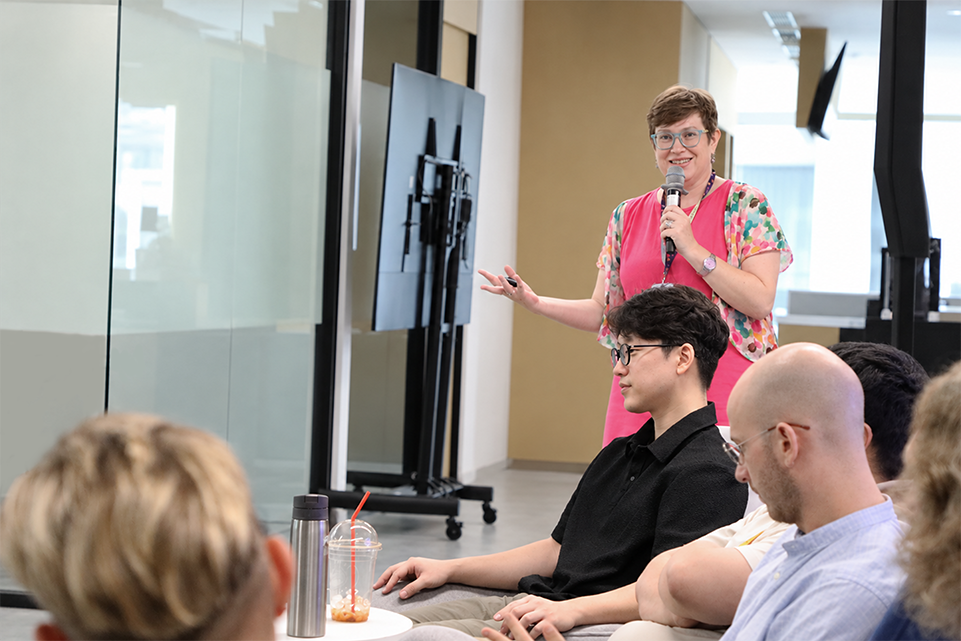
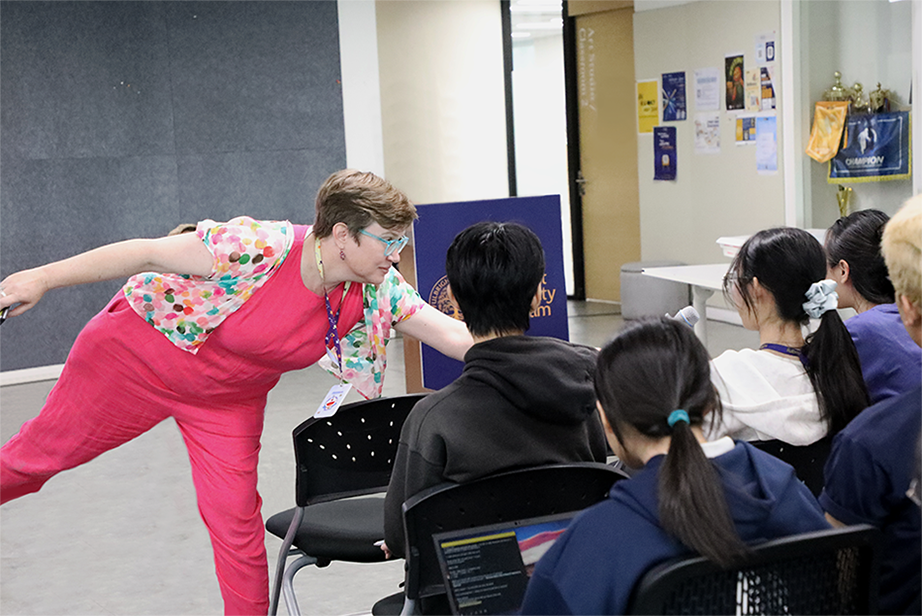
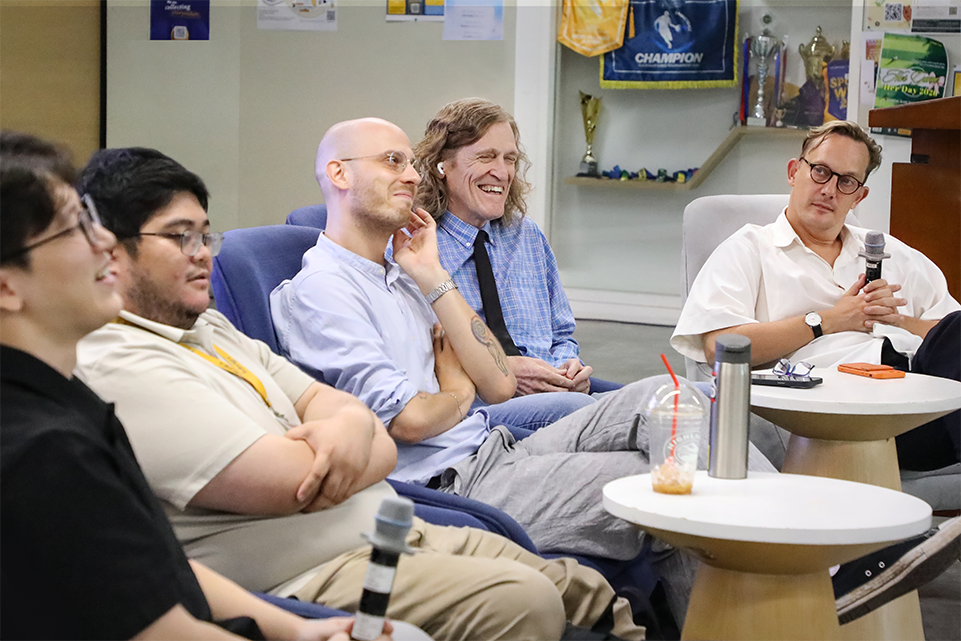
At Fulbright University Vietnam, education goes beyond acquiring knowledge. It also fosters independent thinking, intellectual curiosity, and the ability to take ownership of one’s future. Through academic activities, hands-on experiences, and exchanges with faculty members and experts, Fulbright provides students with opportunities to engage with diverse perspectives, explore academic and career pathways, and shape their personal and professional journeys in line with their goals and aspirations.
Two recent sessions, “Mastering (and Doctoring) the Social Sciences: Researching & Applying to Grad School” and “From Fulbright to NUS,” offered students firsthand insights into life after graduation, the pursuit of advanced research, and opportunities to gain practical experience through international programs and collaborative projects.
Is pursuing a master’s degree or Ph.D. the right step after completing undergraduate studies? How can students identify their research interests, select suitable programs, and prepare for the demands of graduate education?
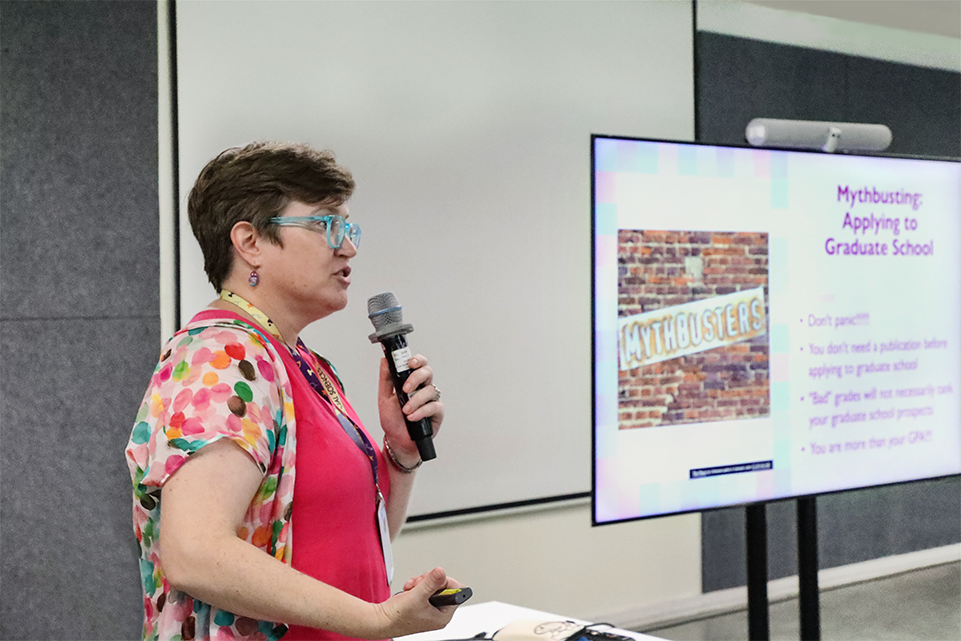
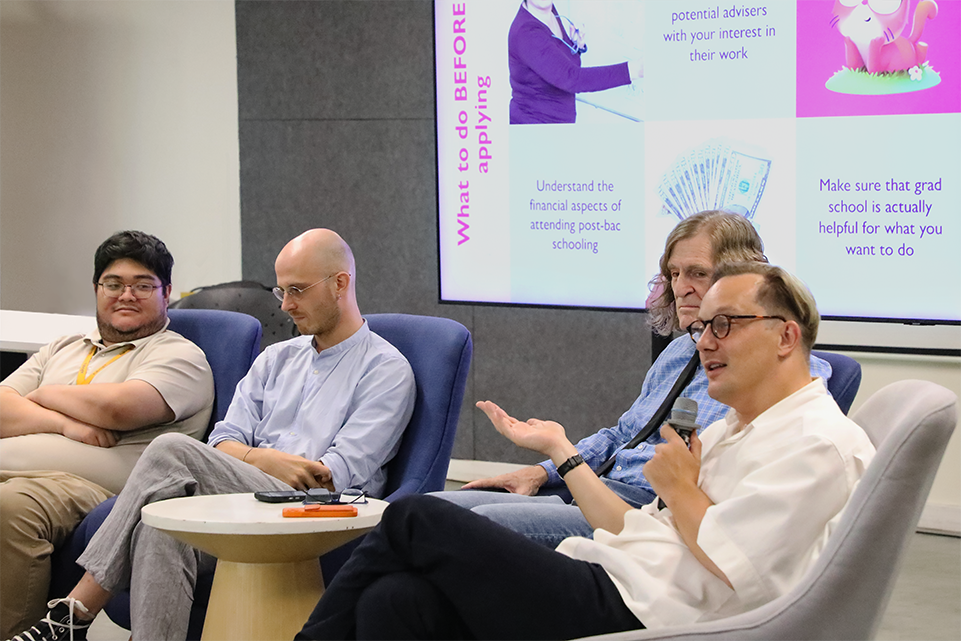
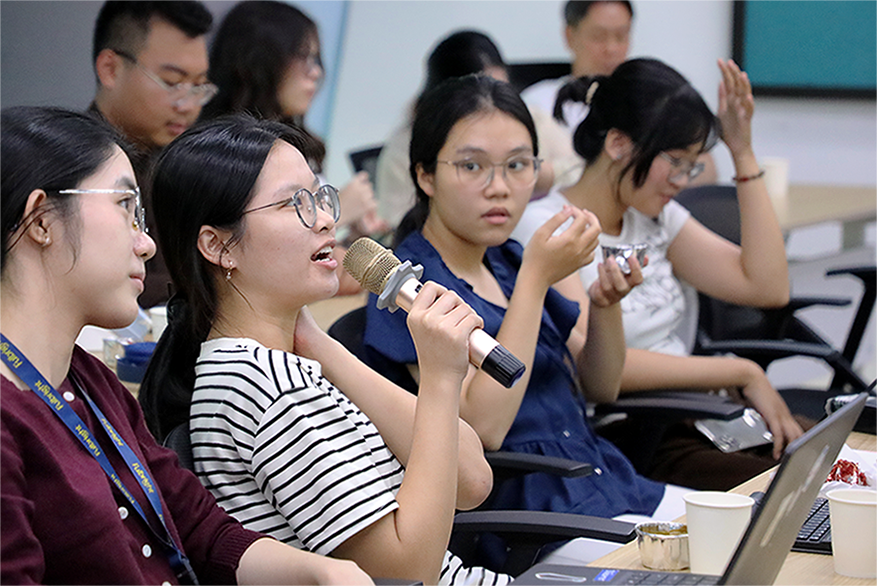
These were among the central questions explored during “Mastering (and Doctoring) the Social Sciences: Researching & Applying to Grad School,” a workshop organized by faculty members from Fulbright’s Social Sciences Division.
Now in its third year, the workshop drew on the experiences of faculty members who have studied and conducted research in different parts of the world. Students learned about the distinctions among graduate programs in North America, Europe, and Asia, including differences in admissions processes, scholarships and funding opportunities, research environments, and academic life.
One particularly insightful discussion focused on the transition from undergraduate to graduate education. As Dr. Xavier Bautista explained, while undergraduate studies largely emphasize acquiring and applying existing knowledge, graduate research requires students to ask original questions, push the boundaries of their fields, and contribute new knowledge. This transition also demands greater independence, perseverance, and the ability to manage one’s own research.
Faculty members emphasized that there is no single path to graduate school. Some students may choose to pursue advanced degrees immediately after graduation, while others may benefit from spending several years in the workforce before returning to academia. Beyond academic achievements, what matters is developing a clear understanding of one’s research interests, building the necessary skills, and identifying what one hopes to accomplish through graduate study.
Rather than treating a master’s degree or Ph.D. as the default next step, the workshop encouraged students to carefully consider their personal aspirations, career goals, and the practical demands of graduate education. Ultimately, the decision to pursue further studies should reflect each individual’s priorities and stage of personal and professional development.
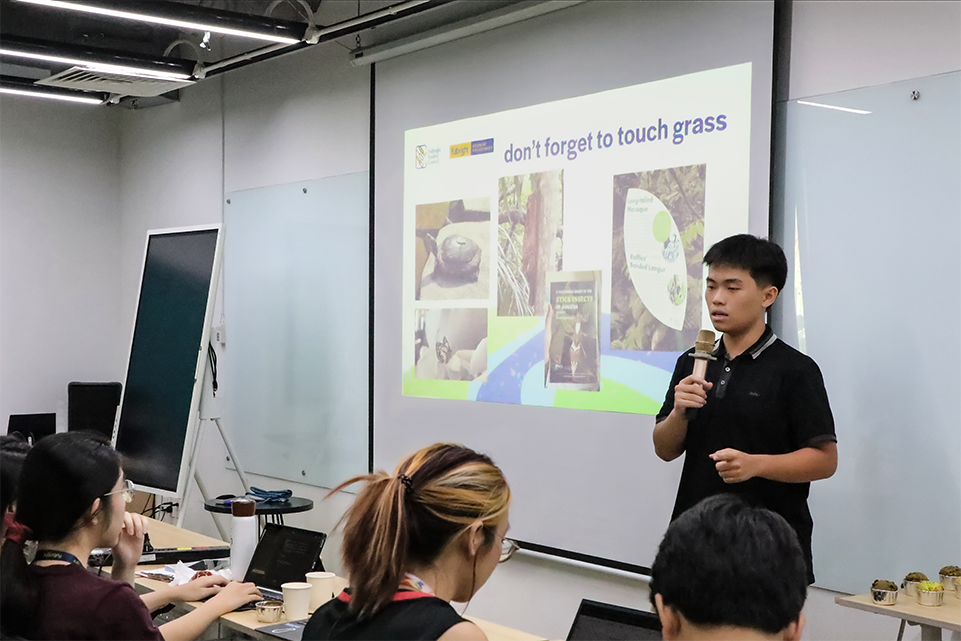
While the graduate school workshop focused on pathways beyond undergraduate education, “From Fulbright to NUS” highlighted opportunities for students to develop their interests and abilities during their university years through summer programs and collaborative projects at the National University of Singapore (NUS).
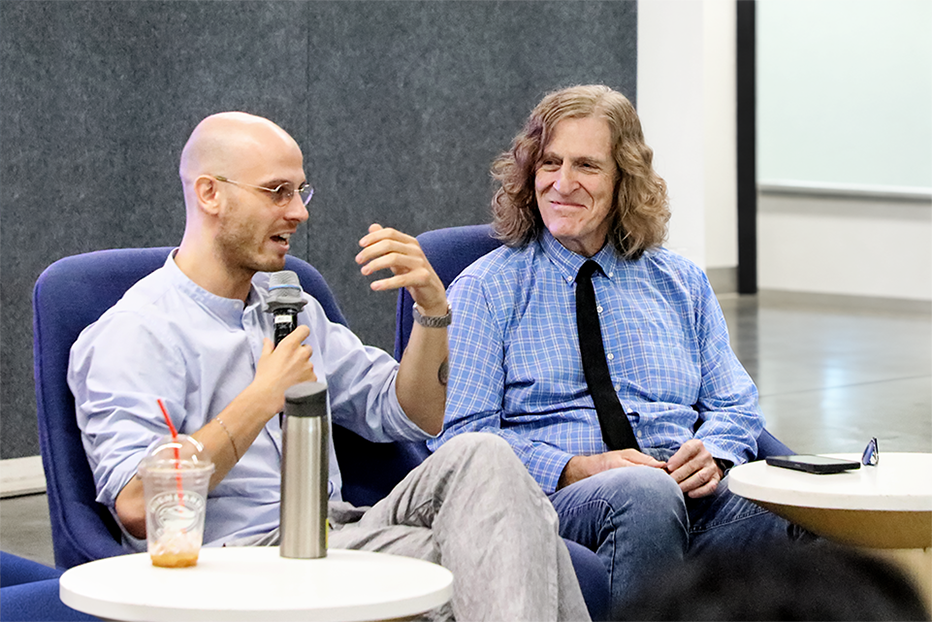
Featuring Associate Professor Louis Ng Kok Kwang from NUS College, Professor Emilie Dion from Fulbright University Vietnam, and students who had participated in programs in Singapore, the session brought together firsthand accounts of international experiences and offered the Fulbright community an opportunity to learn more about cross-cultural collaboration and project-based work.
Through stories of developing and implementing projects alongside peers from different countries, participants gained a clearer understanding of working in multicultural environments, the skills involved, and how to prepare for similar programs. The session also introduced opportunities for students to gain practical experience, build professional and personal connections, and engage with international communities while still pursuing their undergraduate degrees.
Beyond the individual academic and professional choices students make lies a broader educational goal: building the knowledge, skills, and mindset needed to navigate an ever-changing world. Guided by its student-centered approach to education, Fulbright continues to strengthen connections between the classroom and the wider international community, empowering students to realize their potential, take ownership of their futures, and prepare tomake meaningful contributions to society.